-
Pelvic floor dysfunction is common, but that doesn’t mean you have to live with it. Our pelvic floor therapists treat the physical causes behind bladder, bowel, pelvic, and sexual health concerns with compassionate, evidence-based care.
We Commonly Treat:
Bladder leakage with coughing, sneezing, exercise, or movement
Urgency and overactive bladder
Pelvic organ prolapse
Pelvic pressure or heaviness
Hypertonic or overly tight pelvic floor muscles
Chronic pelvic pain
Pain with intimacy
Vaginismus
Endometriosis-related pelvic pain
Interstitial cystitis
Lichen sclerosus
Menopause and perimenopause-related changes
-
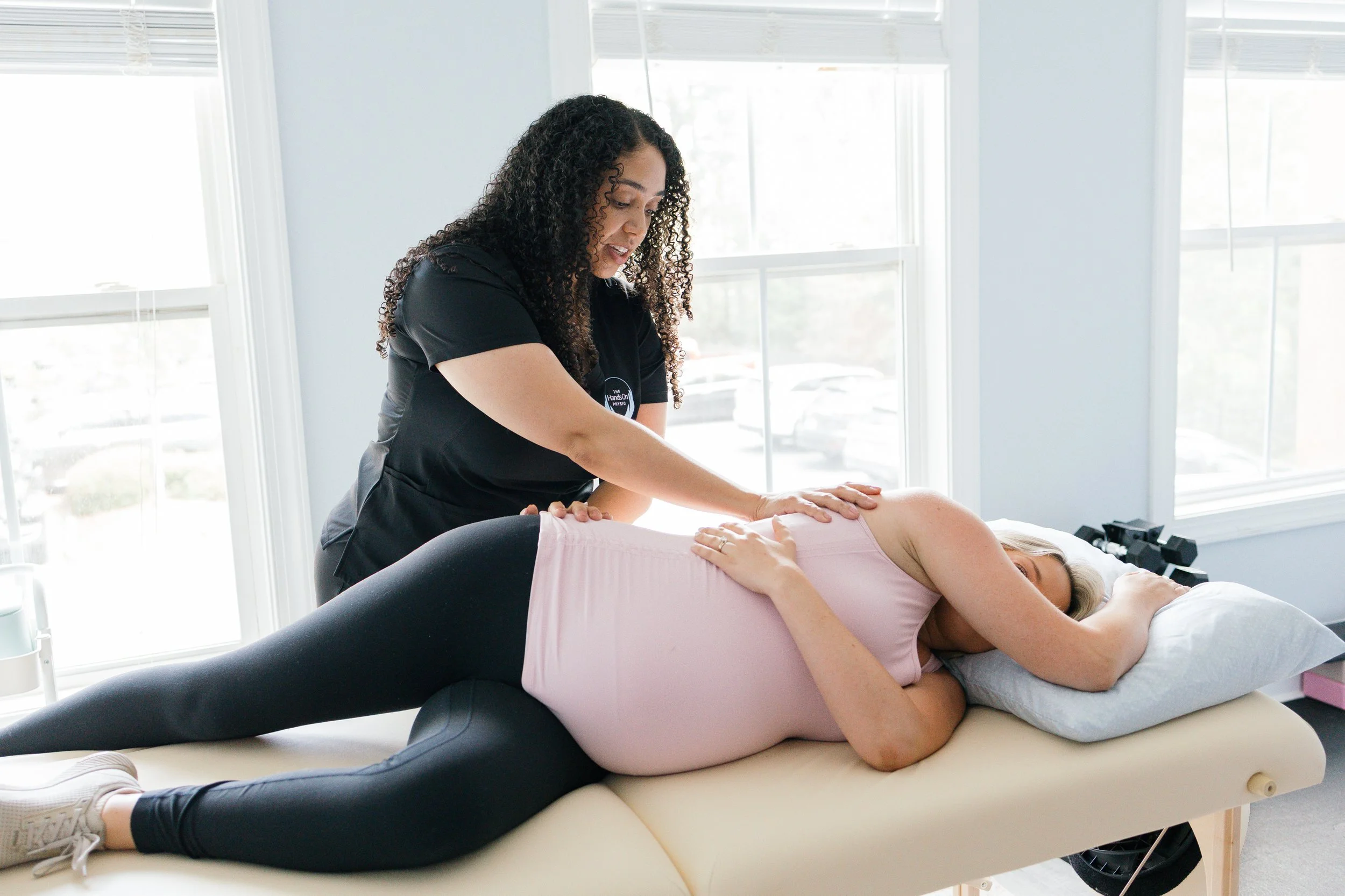
Pregnancy changes the way your entire body moves. As your baby grows, your core, pelvic floor, hips, back, and joints are constantly adapting. Prenatal physical therapy can help reduce discomfort, improve strength and mobility, and prepare your body for birth and postpartum recovery.
We Commonly Treat:
Pregnancy-related low back pain
SI joint pain
Hip pain
Pelvic girdle pain
Pelvic floor dysfunction
Core weakness
Changes in posture and mobility
Exercise and strength training during pregnancy
Preparation for labor, delivery, and postpartum recovery
-
A lot can happen during birth. Vaginal or C-section deliveries can bring physical changes, discomfort, and unexpected challenges, and none of it means you have to "just deal with it." Postpartum physical therapy helps your body recover, rebuild strength, and return to movement safely.
We Commonly Treat:
Diastasis recti / abdominal separation
Core weakness after pregnancy
C-section scar tissue and recovery
Perineal pain or tearing
Bladder leakage
Pelvic pressure or heaviness
Pain with intimacy
Pelvic floor weakness or tension
Safe return to exercise and daily life
-
Orthopedic physical therapy is about more than Therabands and stretching. We look at the entire body to understand why pain is happening instead of simply treating where it hurts.
Your hips, spine, core, feet, shoulders, and pelvic floor all work together. By identifying weakness, restriction, compensation, and movement patterns throughout the body, we can address the root of the problem and help create longer-lasting results.
We Treat:
Back and neck pain
Hip pain
SI joint dysfunction
Knee pain
Shoulder pain
Joint pain and stiffness
Post-surgical rehabilitation
Sports and activity-related injuries
Movement compensations
Strength and mobility limitations
-
Sometimes the most effective treatment is also the most direct: hands-on.
Manual therapy uses skilled techniques to improve joint mobility, decrease muscle tension, reduce pain, and help your body move more efficiently. The techniques we use are always selected based on what your body needs that day and are combined with movement and exercise for lasting results.
Treatment may include soft tissue work, joint mobilization, manual stretching, trigger point treatment, traction, and other hands-on techniques.
-
Dry needling is a treatment technique used to target stubborn trigger points, reduce muscle tension, improve tissue healing, and help muscles begin functioning more effectively.
A thin filament needle is inserted directly into the affected muscle or trigger point. Unlike acupuncture, dry needling is used specifically within physical therapy to address musculoskeletal pain and movement dysfunction.
When clinically appropriate, it can be a valuable part of a larger treatment plan rather than a stand-alone solution.
-
You can't have physical therapy without the physical part.
Hands-on treatment can help reduce symptoms, but lasting change requires teaching your body how to move, stabilize, and get stronger. Strength and mobility training are an important part of helping you build results that last beyond the treatment table.
Strength Training
Sometimes larger muscles begin doing work that smaller stabilizing muscles should be helping with. Physical therapy helps identify those patterns and retrain the right muscles to support your joints, improve movement, and build strength where you actually need it.
Mobility Training
Mobility is more than stretching. It is your body's ability to move through its available range of motion with control.
We use targeted movement to improve joint mobility, keep tissues moving well, and help your body feel less stiff and restricted. Because when it comes to your joints, motion really is lotion.
-
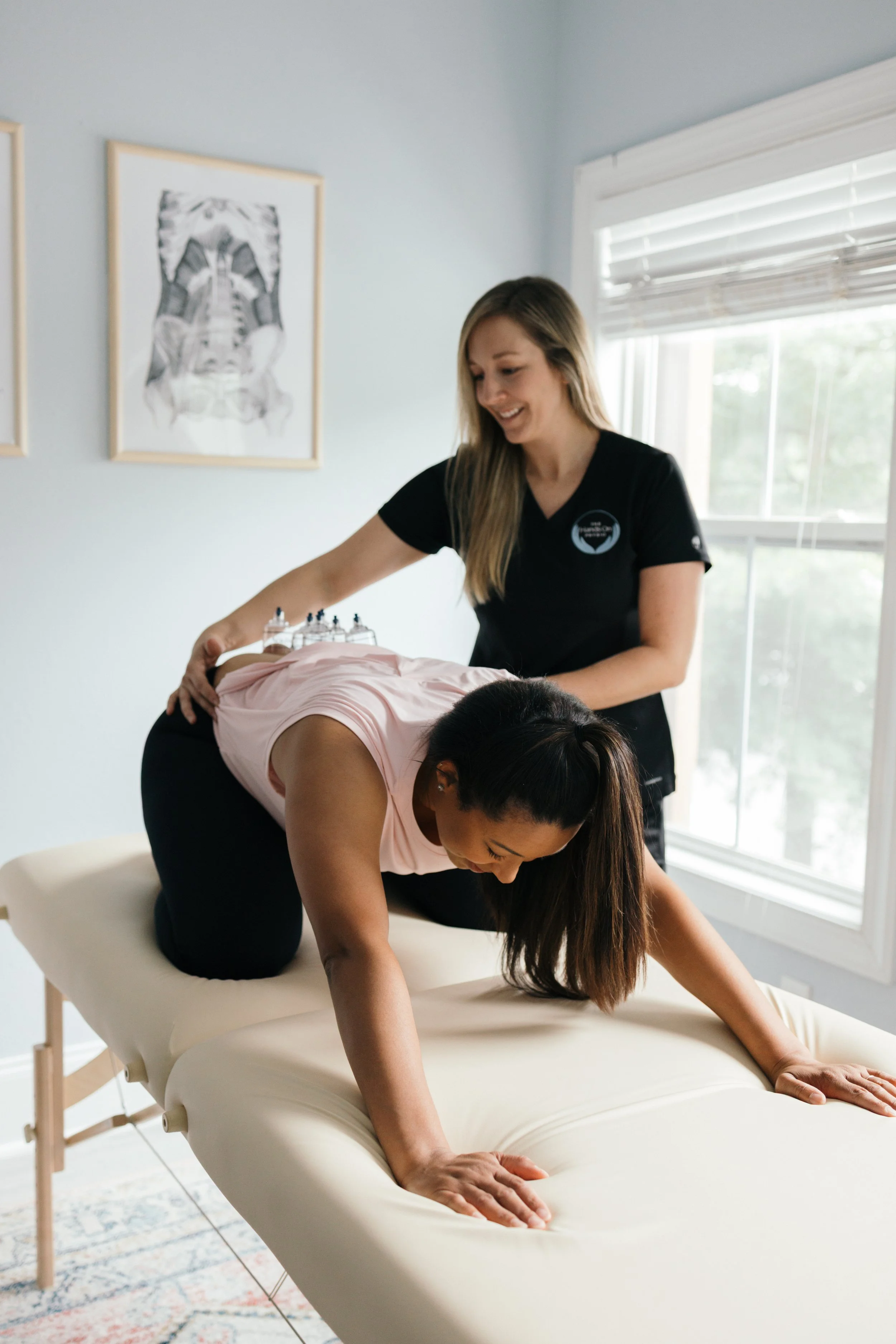
Cupping therapy uses gentle suction to help reduce pain, improve tissue mobility, and encourage blood and lymphatic flow.
Depending on your needs, cups may remain in one area, move across the skin, or be combined with active movement. Cupping is often paired with soft tissue work and therapeutic exercise to help your body move more comfortably afterward.
It can also be especially helpful for areas of restricted scar tissue, including C-section scars, as well as muscles and fascia that feel tight or difficult to move.
Services
Physical therapy should be more than treating where it hurts. At The Hands On Physio, we look at how your whole body moves and works together to uncover what may be contributing to your symptoms. Every treatment plan is individualized, hands-on, and designed to help you feel stronger, move better, and get back to the things you love.